

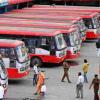
The intensified vigilance involved an exhaustive inspection of 43,553 vehicles during the December window. Beyond the immediate issue of ticketless travel, which accounted for 4,353 specific instances, the corporation’s internal audit teams uncovered 4,207 cases of "theft"—a term often used by the agency to describe discrepancies in revenue collection or staff-related irregularities. These combined lapses resulted in a documented revenue leakage of ₹1,14,500. By comparing these figures to April 2025, where 43,244 buses were inspected and ₹7,32,495 was collected in fines, it is evident that KSRTC has widened its net to ensure that every kilometer traveled translates into legitimate revenue for the state exchequer.
Administratively, the crackdown has not been limited to passengers alone. KSRTC officials confirmed that disciplinary proceedings have been initiated against staff members implicated in these revenue losses, emphasizing that accountability is being enforced at every level of the service chain. To further insulate the corporation from financial drain, new monitoring measures have been introduced alongside public awareness drives. Officials have reiterated that the sustainability of the state’s transport infrastructure relies heavily on commuter honesty, urging all passengers to secure a physical ticket or valid pass immediately upon boarding to avoid hefty penalties and legal complications.
As the corporation navigates the challenges of maintaining a massive fleet and rising operational costs, these stringent checks serve as a critical deterrent. The December surge in fine collection reflects both a persistent culture of fare evasion among a segment of commuters and an increasingly sophisticated detection system capable of identifying even minor leaks in the system. Moving forward, the KSRTC intends to maintain this momentum of high-frequency inspections, sending a clear message that the era of "free rides" is over, and the integrity of public transit operations remains a top priority for the Karnataka government.
About The Author



Comment List